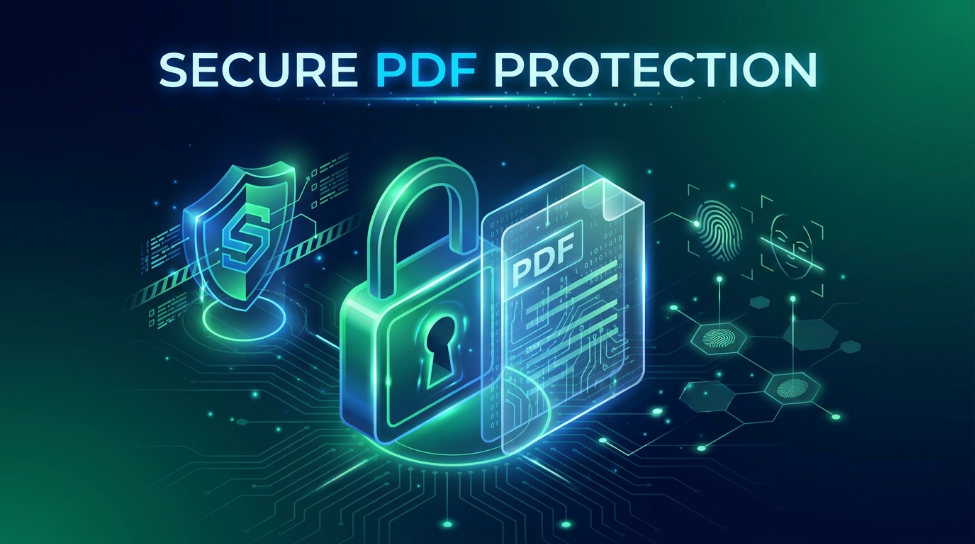
In an increasingly digital work environment, protecting sensitive information has become essential. Whether sharing financial statements, internal business plans, or confidential client records, securing your PDF files prevents unauthorized access and maintains data integrity.
Understanding PDF Security Protocols
Modern document protection relies on two primary layers of security to control how a file is accessed and modified:
1. Open Passwords (User Password)
An Open Password prevents unauthorized recipients from opening or reading the document. Without entering the correct passphrase, the file contents remain fully encrypted and unreadable.
2. Permissions Passwords (Owner Password)
A Permissions Password allows recipients to open and view the document but restricts specific actions, such as:
- Printing high-resolution copies.
- Copying text, graphics, or code snippets.
- Adding annotations or editing form fields.
- Extracting or reordering individual pages.
128-Bit vs. 256-Bit AES Encryption
Modern PDF protection uses Advanced Encryption Standard (AES) algorithms to secure data:
- 128-Bit AES: Provides strong protection compatible with older PDF readers and legacy enterprise systems.
- 256-Bit AES: The industry benchmark for maximum security, resistant to modern brute-force cracking attempts.
Best Practices for Securing PDF Files
- Use Robust Passphrases: Combine uppercase letters, lowercase letters, numbers, and symbols to maximize entropy.
- Distribute Credentials Separately: Avoid sending passwords in the same email thread as the encrypted PDF attachment.
- Use Client-Side Encryption Utilities: Encrypting files directly within your browser ensures raw documents are never transmitted across intermediate web servers.
Summary
Applying strong password protocols and modern AES encryption safeguards your intellectual property and ensures regulatory compliance across digital communication channels.
]
Comments (0)
Leave a Comment